Science News
 American
Science News for 8 June 2020
American
Science News for 8 June 2020
The impact of disclosure laws on prescription patterns from companies that pay them
EurekAlert! - 8 Jun 2020 06:00
(Institute for Operations Research and the Management Sciences) It's not uncommon for U.S. pharmaceutical companies to pay medical doctors to promote their medications. Questions over possible conflicts of interest have ...
Computing Power Can Keep Growing as Moore's Law Winds Down. Here's How
Singularity Hub - 8 Jun 2020 16:00 Moore’s Law is faltering, but that doesn’t mean the end of progress in processing power. But rather than relying on semiconductor physics and silicon-fabrication technology, we need to turn to innovations in software...
Physicists entangle 15 trillion hot atoms
Live Science - 8 Jun 2020 14:32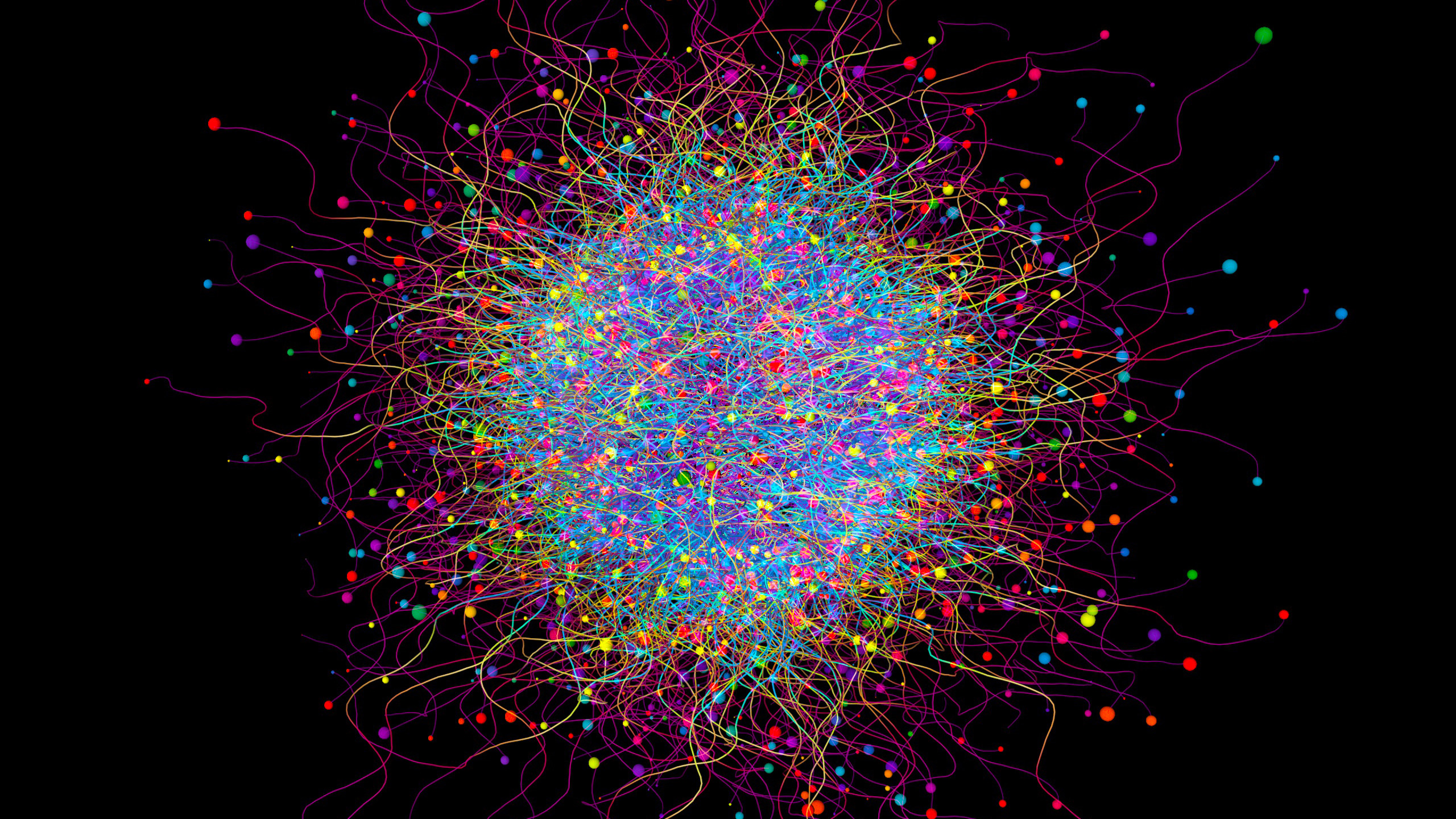 Physicists set a new record by linking together a hot soup of 15 trillion atoms in a bizarre phenomenon called quantum entanglement.
Newton's recipe for 'toad vomit lozenges' up for auction
Live Science - 8 Jun 2020 22:58 The trick, apparently, was to hang the toad upside down in a chimney for three days.
Test confirms COVID-19 as trigger for rare Kawasaki-like syndrome in children
Neuroscience News - 8 Jun 2020 22:54 New evidence confirms COVID-19 infection is the cause of the Kawasaki-like syndrome affecting children.
Artificial brains may need sleep too
Neuroscience News - 8 Jun 2020 22:35 AI network simulations become unstable following continuous periods of unsupervised learning. When the networks were exposed to states that are analogous to human brain waves during sleep, the stability was restored.
Shock waves created in the lab mimic astrophysical particle accelerators powered by exploding stars
Phys.org - 8 Jun 2020 22:25 When stars explode as supernovas, they produce shock waves in the plasma surrounding them. So powerful are these shock waves, they can act as particle accelerators that blast streams of particles, called cosmic rays, out...
Physicists study mirror nuclei for precision theory test
Phys.org - 8 Jun 2020 22:23 It's not often in nuclear physics that you can clearly get both sides of the story, but a recent experiment allowed researchers to do just that. They compared very similar nuclei to each other to get a clearer view of ho...
Researchers develop ultra-sensitive device for detecting magnetic fields
Phys.org - 8 Jun 2020 22:21 A team of Brown University physicists has developed a new type of compact, ultra-sensitive magnetometer. The new device could be useful in a variety of applications involving weak magnetic fields, the researchers say.
Appetite can be increased by cells in the brain
Neuroscience News - 8 Jun 2020 21:53 Glial cells known as tanycytes deliver signals to neurons in the brain to activate appetite. Optogenetic stimulation of tanycytes increases appetite.
Forgot where you parked the car? Memory is a game of all or nothing
Neuroscience News - 8 Jun 2020 21:35 Study addresses the question of whether a forgotten memory is entirely lost or if it just becomes fuzzier over time.
Gently caressing atoms
Phys.org - 8 Jun 2020 21:00 Oxygen is highly reactive. It accumulates on many surfaces and determines their chemical behavior. At the Vienna University of Technology, scientists study the interaction between oxygen and metal oxide surfaces, which p...
How Physics Aids COVID-19 Research
Physics Buzz - 8 Jun 2020 20:57
Combatting the COVID-19 pandemic has become an international challenge and charge. It has highlighted the positive consequences of science operating on a global scale. It has shown how answers can be found quickly when s...
Why these rattlesnakes are declining at an alarming rate
Live Science - 8 Jun 2020 20:32 Rattlesnakes are threatened in British Columbia in Canada, and many populations are declining at alarming rates.
Repetitive negative thinking linked to dementia risk
Neuroscience News - 8 Jun 2020 20:12 Repetitive negative thinking (RNT) in those aged over 55 is associated with an increased risk of cognitive decline and deposition of proteins associated with Alzheimer's disease. People who exhibited higher levels of RNT...
Snake eels stage stomach-bursting escape after being eaten (and then things get really nasty)
Live Science - 8 Jun 2020 19:36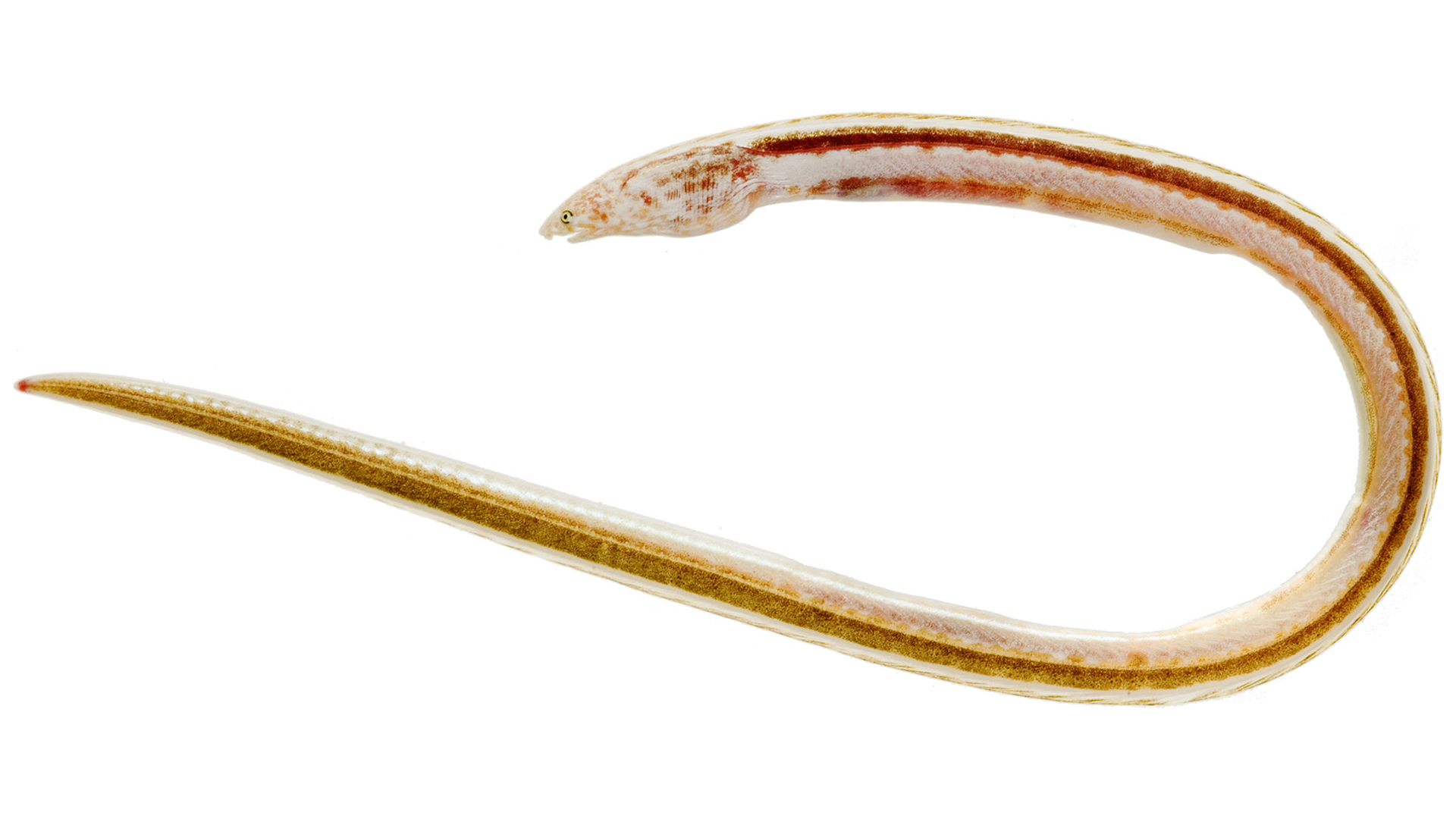 After snake eels are swallowed by bigger fish, they can burst out of their predators' stomachs ... to freedom? Not exactly.
Covid-19 news: Lockdowns prevented 3.1 million deaths in Europe
New Scientist - 8 Jun 2020 19:30
The latest coronavirus news updated every day including coronavirus cases, the latest news, features and interviews from New Scientist and essential information about the covid-19 pandemic
How the coronavirus pandemic is fuelling online trolls and scams
New Scientist - 8 Jun 2020 19:03
The pandemic has resulted in a surge in anti-Asian hate speech, a proliferation of covid-19 scams, and in the rapid spread of scientific misinformation
Lack of UK testing data is impeding our understanding of the outbreak
New Scientist - 8 Jun 2020 18:12
The UK government hasn't reported the daily numbers of how many people outside of hospitals and care homes have been tested for covid-19 in over two weeks
Checking out iron under pressure
Phys.org - 8 Jun 2020 16:20 Iron is the most stable and heaviest chemical element produced by nucleosynthesis in stars, making it the most abundant heavy element in the universe and in the interiors of Earth and other rocky planets.
Why a physicist wants to build a particle collider on the moon
Live Science - 8 Jun 2020 15:49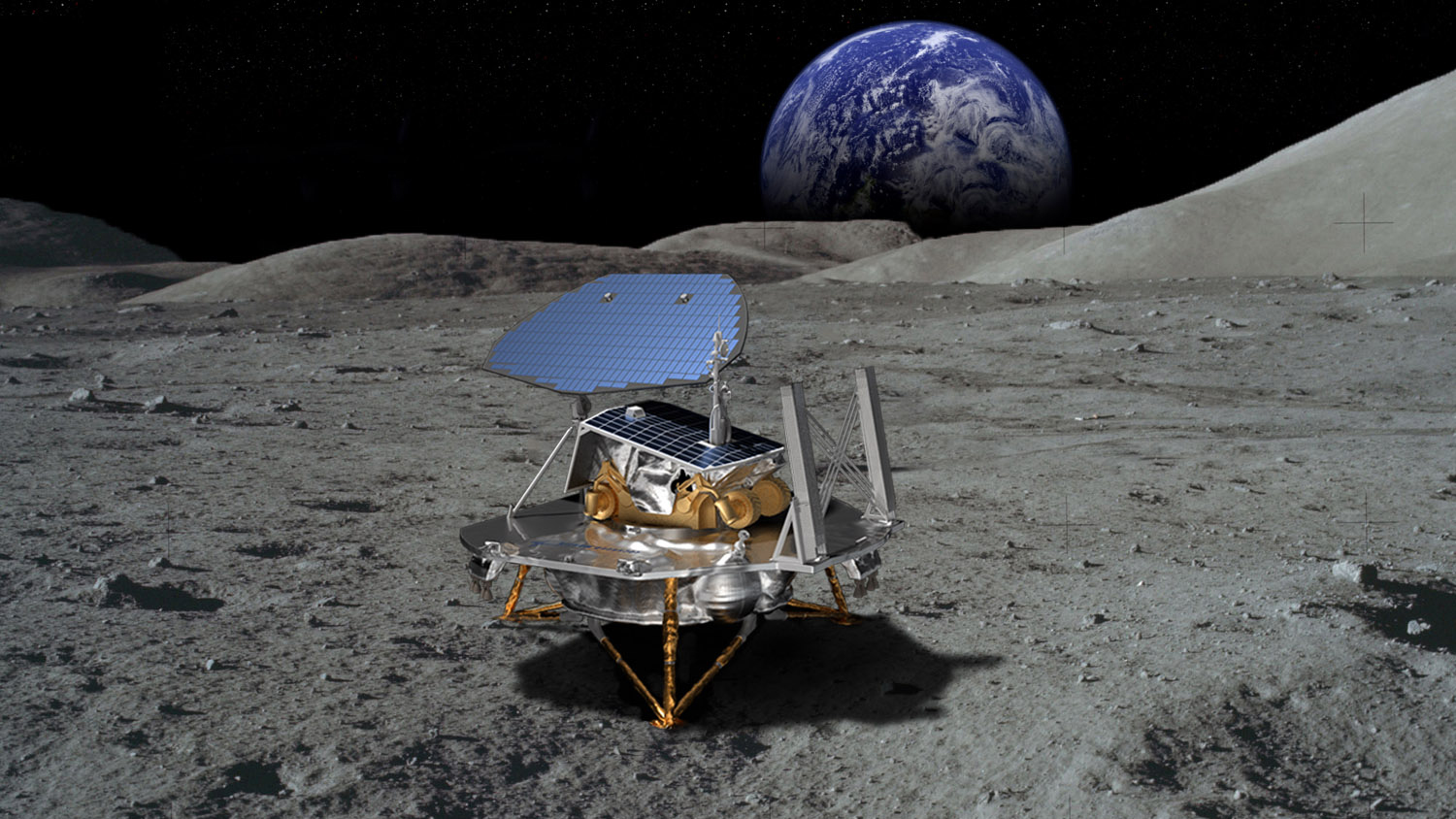 A physicist proposes that the moon is a great place to build a particle collider and conduct high-energy physics experiments.
Doing more with terahertz: simplifying near-infrared spectroscopy systems
Phys.org - 8 Jun 2020 14:50 Spectroscopy has roots in early 19th century curiosity about interactions between matter and electromagnetic radiation. Thanks to advances in electronics and materials science, various spectroscopy techniques are now rou...
 Global
 Great Britain
 Indian
 South Africa